
On busy holiday weeks, a reliable potato kugel with crispy edges can take real pressure off. This potato kugel with crispy edges for Passover leans on simple ingredients, a hot pan, and enough fat to create a golden crust that holds up on a crowded table. Think big latke meets baked casserole: crisp and deep brown around the sides, tender and custardy inside.
If you’re juggling guests and multiple dishes, start by preheating the pan with oil or schmaltz so it’s ready when the potatoes are mixed. If you’re cooking in a small kitchen, grate the potatoes and onion first, then clear the counter before you wring and mix so you’re not fighting for space. This is a forgiving, host-friendly side that reheats well and slices neatly into squares for serving.
Ingredients
Serves 6–8 as a side
For the kugel
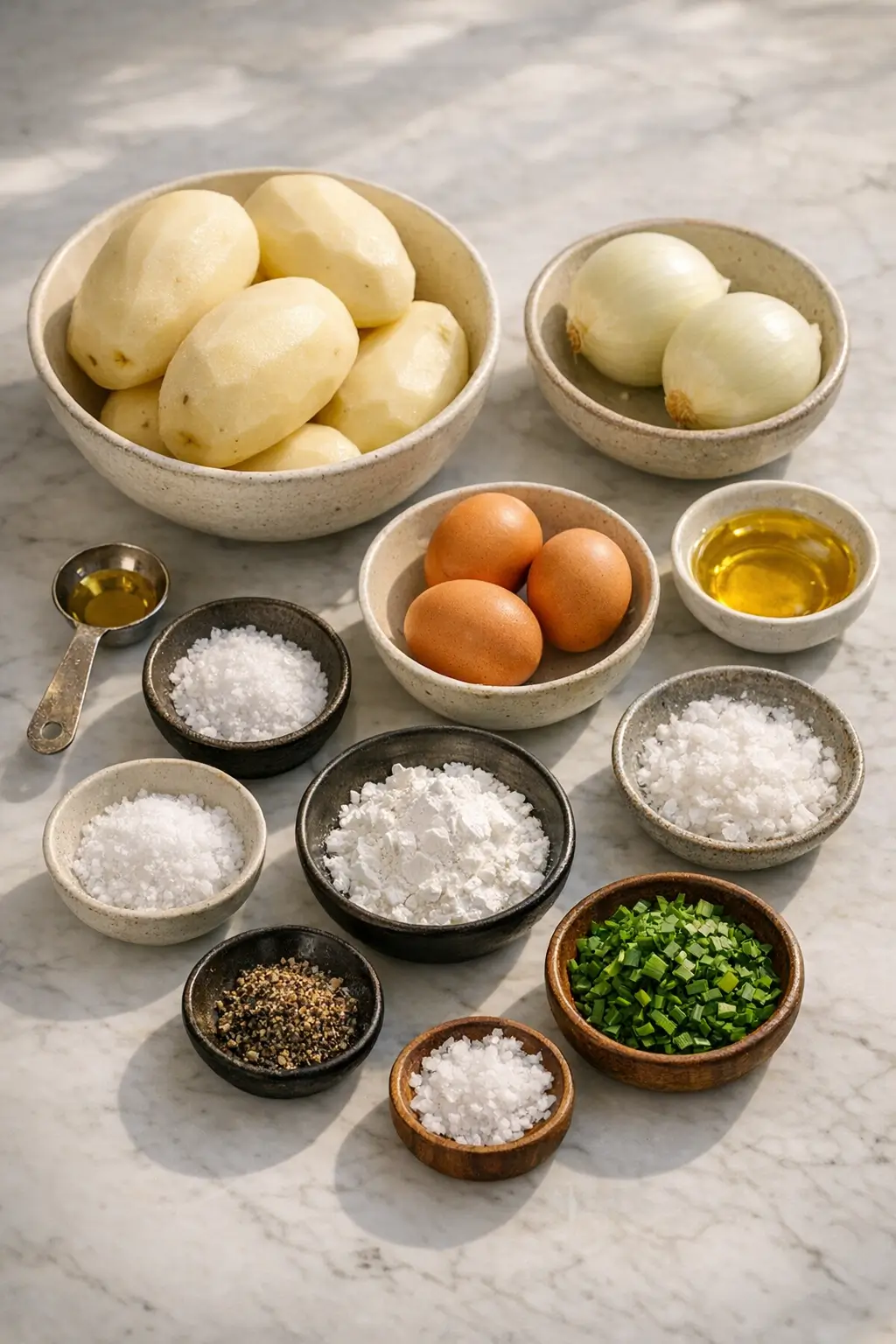
- 3 lb (about 1.4 kg) russet or Idaho potatoes, peeled – starchy potatoes help the inside set and the edges crisp
- 2 medium yellow onions (about 1 lb / 450 g total), peeled – adds sweetness and moisture
- 3 large eggs
- 6 tbsp (90 ml) neutral oil or rendered chicken schmaltz, divided – schmaltz gives classic flavor; neutral oil keeps it pareve
- 2 tsp kosher salt, plus more to taste
- 3/4 tsp freshly ground black pepper
- 3 tbsp (24 g) potato starch – helps bind; substitute 3 tbsp matzo meal for a slightly denser, more classic Passover texture
To finish (optional but helpful for hosting and presentation)
- Flaky salt, for sprinkling on top right before serving
- 2–3 tbsp finely chopped fresh chives or parsley – for color on a holiday table
Kitchen note: If you’re planning a very large seder, you can double this and bake it in two separate pans for better crisping rather than crowding one deep dish.
Step-by-Step Instructions for Potato Kugel With Crispy Edges for Passover
- Preheat the oven and pan.Place a 9×13-inch (23×33 cm) metal baking pan or a 12-inch (30 cm) cast-iron skillet on the center rack of your oven. Add 4 tbsp (60 ml) of the oil or schmaltz to the pan. Set the oven to 425°F (220°C) and let the pan heat as the oven preheats. A hot pan jumpstarts browning on the bottom and sides.
- Set up your grating station.Fit a food processor with the shredding disk, or set a sturdy box grater over a large bowl. Have a clean kitchen towel or several layers of paper towels ready for wringing out the potatoes.
- Grate the onions first.Cut the onions into chunks and grate them using the food processor or box grater. Transfer the grated onion (and juices) to a large mixing bowl. The onion juices will lightly coat the potatoes and help slow discoloration.
- Grate the potatoes.Working quickly to limit browning, grate the peeled potatoes. If you’re using a processor, pack them horizontally for longer strands, which give more texture and crisp edges.
- Drain and wring out excess liquid.Transfer the grated potatoes to a colander set over the sink or another bowl. Use your hands to squeeze out as much liquid as you can. Then bundle the potatoes in the kitchen towel and wring again over the sink until they feel damp but not dripping.
Kitchen note: The potatoes do not need to be bone-dry, but big puddles of liquid in the bowl will steam the kugel instead of crisping it. Aim for strands that hold together when squeezed but don’t leak.
- Combine the potato mixture.Add the wrung-out potatoes to the bowl with the grated onion. Sprinkle the 2 tsp kosher salt, 3/4 tsp pepper, and 3 tbsp potato starch evenly over the top. Toss with clean hands or two forks until the starch disappears and everything is coated.
- Add the eggs and remaining fat.Crack the 3 eggs directly into the bowl. Add the remaining 2 tbsp (30 ml) oil or schmaltz. Mix thoroughly with your hands, lifting and turning the strands rather than mashing, until the eggs are fully distributed and no streaks remain.
- Carefully transfer to the hot pan.When the oven reaches 425°F (220°C), carefully remove the hot pan, closing the oven door behind you to keep the heat in. Tilt the pan so the hot oil coats the bottom and corners.
Gently pour the potato mixture into the pan; it should sizzle as it hits the fat. Use a spatula or fork to spread it into an even layer about 2–2.5 inches (5–6 cm) thick. Lightly tousle the top so some strands stick up—those will become extra crispy.
- Bake until deep golden and set.Return the pan to the oven and bake, uncovered, for 55–70 minutes. Start checking at 50 minutes; oven temperatures vary.
The kugel is done when:
- The top is a uniform golden brown with some deeper brown spots around the edges.
- The sides are bubbling in fat and visibly crisp.
- A knife inserted in the center comes out hot and clean, with no raw potato clinging.
- Optional high-heat finish for extra crisp edges.If you want even more color right before serving, raise the oven to 450°F (230°C) for the last 5–10 minutes, keeping a close eye to avoid burning. This is especially helpful if your oven runs cool or you’re baking on a crowded holiday rack.
- Rest before slicing.Remove the kugel from the oven and let it rest in the pan for 10–15 minutes. This brief rest helps it firm up so you can cut neat squares without shattering the crust.
Kitchen note: For the crispiest edges, cut with a sharp knife, then slide a thin metal spatula down the sides and underneath to lift each piece, keeping that golden crust intact.
- Finish and serve.Just before bringing the kugel to the table, sprinkle the top lightly with flaky salt and chopped chives or parsley, if using. Cut into 8–10 squares and serve warm as a side to brisket, roast chicken, or other Passover mains.
What to Expect
This potato kugel bakes up with a pronounced, shatteringly crisp crust around the perimeter and on the bottom, especially if you use a metal pan or cast-iron skillet. The interior stays tender and almost custardy from the combination of eggs, starch, and the natural potato juices.
Flavor-wise, you’ll taste sweet browned onion, plenty of potato, and whichever fat you choose. Schmaltz gives a more savory, deeply traditional profile, while neutral oil keeps the dish lighter and fully vegetarian. Either way, it’s lightly seasoned: the goal is a balanced side dish that doesn’t overpower your mains.
Different ovens and pans will shift the texture slightly. A glass baking dish tends to brown more slowly and may give you a softer crust, while a dark metal pan or cast iron will drive strong browning on the bottom and edges. Slightly thicker kugel will be creamier in the center; a thinner layer gets crisper throughout but can dry if baked too long.
Ways to Change It Up
- Vegetarian, dairy-free, or meat-based versions.As written, the kugel is pareve if you use neutral oil, so it fits easily into most Passover menus. For a richer flavor alongside meat mains, swap half or all of the oil for rendered schmaltz. If you’re not keeping a meat/dairy separation, you can even brush the top lightly with melted clarified butter for extra browning.
- Milder or more kid-friendly.If some guests are sensitive to onion, reduce the onions to 1 medium and grate them very finely so they melt into the potatoes. You can also drop the black pepper to 1/2 tsp and skip the flaky salt garnish at the end. Serve it next to something bright and simple, like steamed green beans or a salad similar in spirit to the fresh crunch in this Shirazi Salad, Fast and Fresh with Mint and Lime.
- More robustly seasoned or herby.For a bolder, more aromatic kugel, add 1 tsp garlic powder or 2 finely minced garlic cloves along with the salt and pepper. Herbs like 2 tbsp finely chopped fresh parsley or dill folded into the potato mixture can add color and flavor without clashing with other dishes.
- Faster or more hands-off.On a weeknight outside of Passover, you can bake this at 400°F (200°C) for about 45–55 minutes for a slightly quicker cook, with a little less deep browning but still good crispness. You can also make one large kugel, chill it, and then reheat individual squares in a hot skillet with a little oil to quickly bring back the crunchy edges.
Kitchen note: If you scale this up for a big crowd, avoid filling the pan more than 2.5 inches (6 cm) deep. Extra-deep kugel can take too long to cook through and may stay gummy in the center.
Serving and Storage
Potato kugel is most commonly served as a side dish at Passover seders and other holiday meals, often next to brisket, roast chicken, or fish. It also fits nicely on Shabbat tables throughout the year.
For hosting, it works well alongside bright, fresh sides that cut through the richness. A crisp green salad or something citrusy and light, like the flavors in Creamy Lemon Orzo With Parmesan, contrasts the starchy kugel on non-Passover nights.
To make ahead for Passover hosting:
- Bake the kugel fully until well browned.
- Cool completely at room temperature.
- Cover tightly and refrigerate for up to 3 days.
Reheat, uncovered, at 375°F (190°C) for 20–30 minutes, until hot in the center. The top will re-crisp some; for extra crunch, you can slide the pan under the broiler for 1–2 minutes, watching closely.
For longer storage, wrap the cooled, uncut kugel well and freeze for up to 1 month. Thaw in the refrigerator overnight, then reheat as above. Leftover slices can be pan-fried in a thin layer of oil over medium heat until the edges re-crisp.
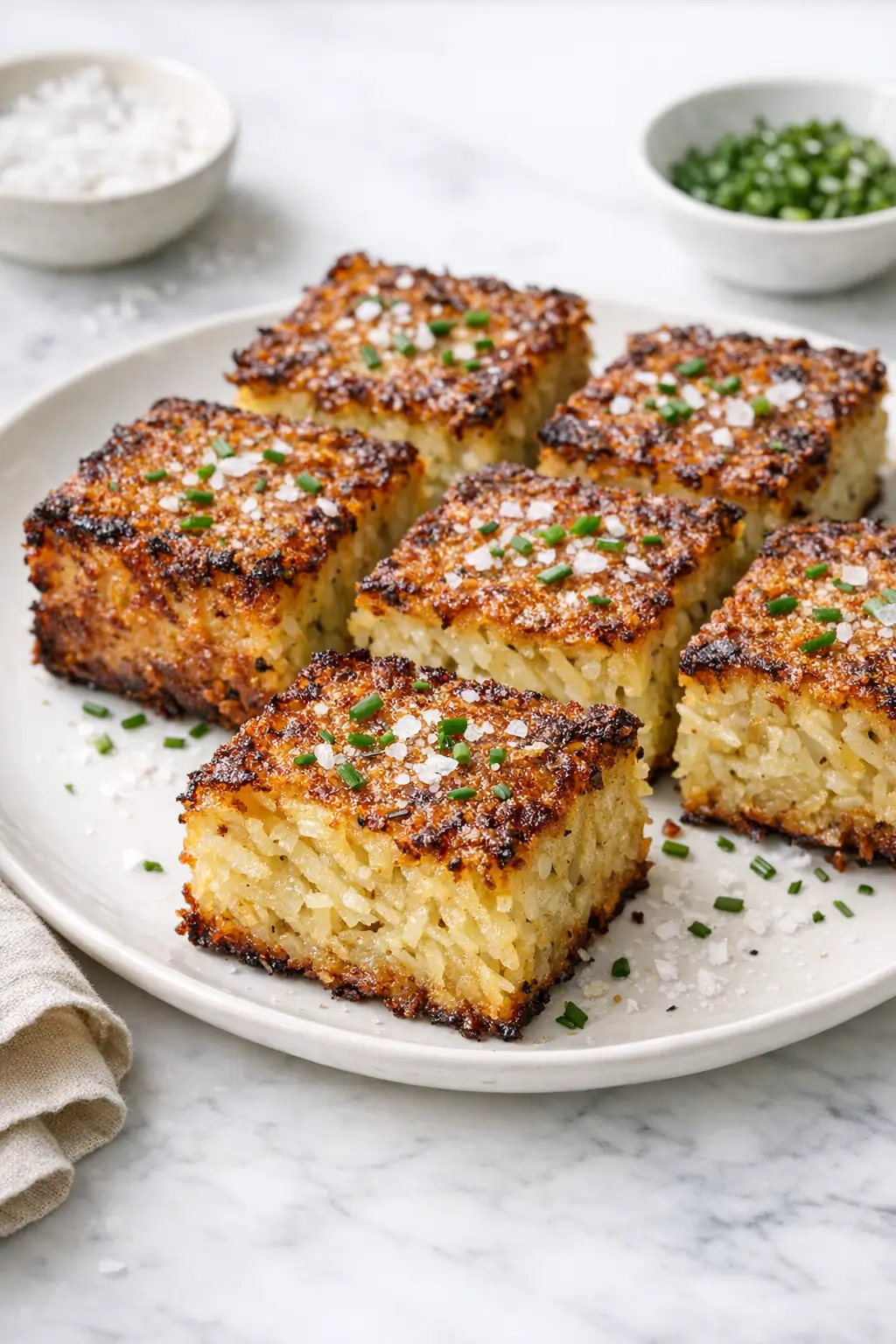
Kitchen note: If you know you’ll be reheating, bake the kugel slightly darker than you think you want. It will look almost too golden at first but settles into a perfect color after reheating.
Cultural Context
Potato kugel is part of the broader family of Ashkenazi kugel dishes, which are baked puddings traditionally made from starches like noodles, potatoes, or grains and served on Shabbat and holidays. The potato-based version rose in popularity after potatoes became widespread in Eastern Europe, offering an inexpensive, filling side that could be reheated.
Historically, kugel evolved from small dumpling-like preparations into the familiar pan-baked form. Food historians have traced related dishes such as potatonik or kartoflnik, which sit somewhere between bread and kugel and often rely on grated raw potatoes. For a concise overview of potatonik and its relationship to kugel, see this entry on potatonik in Ashkenazi Jewish cuisine.
Many families prepare potato kugel for Passover because it uses potatoes, eggs, and Passover-approved starches like potato starch or matzo meal. The dish sits comfortably next to other Ashkenazi holiday foods like chicken soup and brisket, and exact textures and seasonings vary widely from household to household.
Common Questions and Troubleshooting
Why did my potato kugel turn gray?
Potatoes oxidize quickly when exposed to air, especially once grated. Grating the onions first and mixing the potatoes with them right away helps slow this reaction. Working briskly, wringing and seasoning promptly, and getting the mixture into the oven soon after mixing all help. A little discoloration looks less noticeable once the top browns.
My kugel is crispy on top but raw in the center. What went wrong?
Most often, the oven runs hot, or the kugel layer is very thick. Make sure your layer is about 2–2.5 inches (5–6 cm) deep and bake on the middle rack so hot air circulates evenly. If the top is browning too fast while the center is still firm and pale, tent loosely with foil and continue baking until a knife in the center comes out hot and slides through soft potatoes.
Can I skip the potato starch or matzo meal?
Technically, yes—the eggs and potato starches alone will still set—but the kugel will be more fragile and may not slice as cleanly, especially when reheated. A small amount of binding starch helps the interior hold together and gives you cleaner pieces for serving.
How do I reheat leftovers without losing the crispy edges?
For small amounts, a hot skillet with a teaspoon or two of oil is your best tool. Cook slices over medium heat for 3–4 minutes per side until warmed through and re-crisped. For larger portions, reheat in a 400°F (200°C) oven on a lightly oiled baking sheet, leaving space between pieces so the edges can dry and crisp instead of steaming.
Can I make this recipe in a convection oven?
Yes, but reduce the temperature by about 25°F (15°C) and start checking for doneness 10 minutes earlier. Convection fans brown more aggressively, especially in metal pans, so you may not need the final high-heat step to achieve deep color.
Kitchen note: If your oven is very full for a seder, rotating the pan halfway through baking can help even out hot spots and give you more uniform browning.
Conclusion
Potato kugel with crispy edges for Passover is the kind of side dish that quietly supports everything else on the table. With a short ingredient list and a few key techniques—hot pan, well-wrung potatoes, enough fat, and sufficient bake time—you can turn grated potatoes into a golden slab that slices neatly and feeds a crowd.
If you try this version, leave a rating or note what pan size, fat, and oven setting worked best in your kitchen. Your tweaks and timing notes will help other home cooks plan their own holiday meals and get the crisp, golden edges they’re after.
Potato Kugel With Crispy Edges for Passover

Equipment
- Oven
- 9×13-inch (23×33 cm) metal baking pan or 12-inch (30 cm) cast-iron skillet
- Food processor with shredding disk or box grater
- Large bowl
- Large mixing bowl
- Colander
- Clean kitchen towel or paper towels
- Spatula or fork
- Knife
- Thin metal spatula (optional, for lifting pieces)
Ingredients
- 3 lb russet or Idaho potatoes peeled (about 1.4 kg)
- 2 medium yellow onions peeled (about 1 lb / 450 g total)
- 3 large eggs
- 6 tbsp neutral oil or rendered chicken schmaltz divided
- 2 tsp kosher salt plus more to taste
- 3/4 tsp freshly ground black pepper
- 3 tbsp potato starch or substitute 3 tbsp matzo meal
- flaky salt optional, for sprinkling on top before serving
- 2–3 tbsp fresh chives or parsley finely chopped, optional
Instructions
- Preheat the oven and pan. Place a 9×13-inch (23×33 cm) metal baking pan or a 12-inch (30 cm) cast-iron skillet on the center rack of your oven. Add 4 tbsp (60 ml) of the oil or schmaltz to the pan. Set the oven to 425°F (220°C) and let the pan heat as the oven preheats.
- Set up your grating station. Fit a food processor with the shredding disk, or set a sturdy box grater over a large bowl. Have a clean kitchen towel or several layers of paper towels ready for wringing out the potatoes.
- Grate the onions first. Cut the onions into chunks and grate them using the food processor or box grater. Transfer the grated onion (and juices) to a large mixing bowl.
- Grate the potatoes. Working quickly to limit browning, grate the peeled potatoes. If using a processor, pack them horizontally for longer strands.
- Drain and wring out excess liquid. Transfer the grated potatoes to a colander and squeeze out as much liquid as you can. Then bundle the potatoes in the kitchen towel and wring again until they feel damp but not dripping.
- Combine the potato mixture. Add the wrung-out potatoes to the bowl with the grated onion. Add the kosher salt, pepper, and potato starch. Toss until evenly coated and the starch disappears.
- Add the eggs and remaining fat. Crack the eggs into the bowl and add the remaining 2 tbsp (30 ml) oil or schmaltz. Mix thoroughly, lifting and turning the strands, until the eggs are fully distributed and no streaks remain.
- Carefully transfer to the hot pan. When the oven reaches 425°F (220°C), carefully remove the hot pan and tilt so the fat coats the bottom and corners. Pour the potato mixture into the pan (it should sizzle) and spread into an even layer about 2–2.5 inches (5–6 cm) thick. Lightly tousle the top so some strands stick up.
- Bake until deep golden and set. Return to the oven and bake uncovered for 55–70 minutes, starting to check at 50 minutes. It’s done when the top is uniformly golden with deeper spots at the edges, the sides are bubbling in fat and visibly crisp, and a knife inserted in the center comes out hot and clean.
- Optional high-heat finish for extra crisp edges. Raise the oven to 450°F (230°C) for the last 5–10 minutes, watching closely to avoid burning.
- Rest before slicing. Remove the kugel from the oven and let it rest in the pan for 10–15 minutes to firm up for clean slices.
- Finish and serve. Sprinkle lightly with flaky salt and chopped chives or parsley if using. Cut into 8–10 squares and serve warm.



Leave a Reply